Quick answer: Your bathroom scale lies to you: not about your weight, but about what it means. Two people at 80 kg can have wildly different body fat percentages, and only a body composition scale shows you which one you are.
After comparing the current market, the RENPHO Elis 1 is the pick for most people: 13 body metrics, a genuinely good free app, and a price that makes it nearly disposable. Want clinical-grade polish and Wi-Fi sync? Withings Body Smart. Want the deepest data possible at home? Withings Body Scan. Full breakdown of all 7 below, plus the honest truth about how accurate these things really are.
Affiliate disclosure: Product links are affiliate links. StoneToKG may earn a commission at no extra cost to you. This does not affect our recommendations.
Why Body Fat Matters More Than Weight
Here's the scenario every dieter knows: you train for a month, the scale doesn't move, you quit. But the scale was measuring the wrong thing. You may have lost 2 kg of fat and gained 2 kg of muscle: a genuine transformation that a dumb scale reports as failure.
Body fat percentage is the number that actually tracks your progress. It also matters for health in ways weight alone hides: visceral fat around your organs is strongly linked to heart disease and diabetes risk, and two people at the same BMI can carry very different amounts of it.
A body composition scale won't give you lab-grade precision. What it gives you, measured consistently, is the trend line. And the trend line is what keeps you going when the mirror and the dumb scale disagree.
What the Spec Sheets Don't Tell You: The BIA Truth
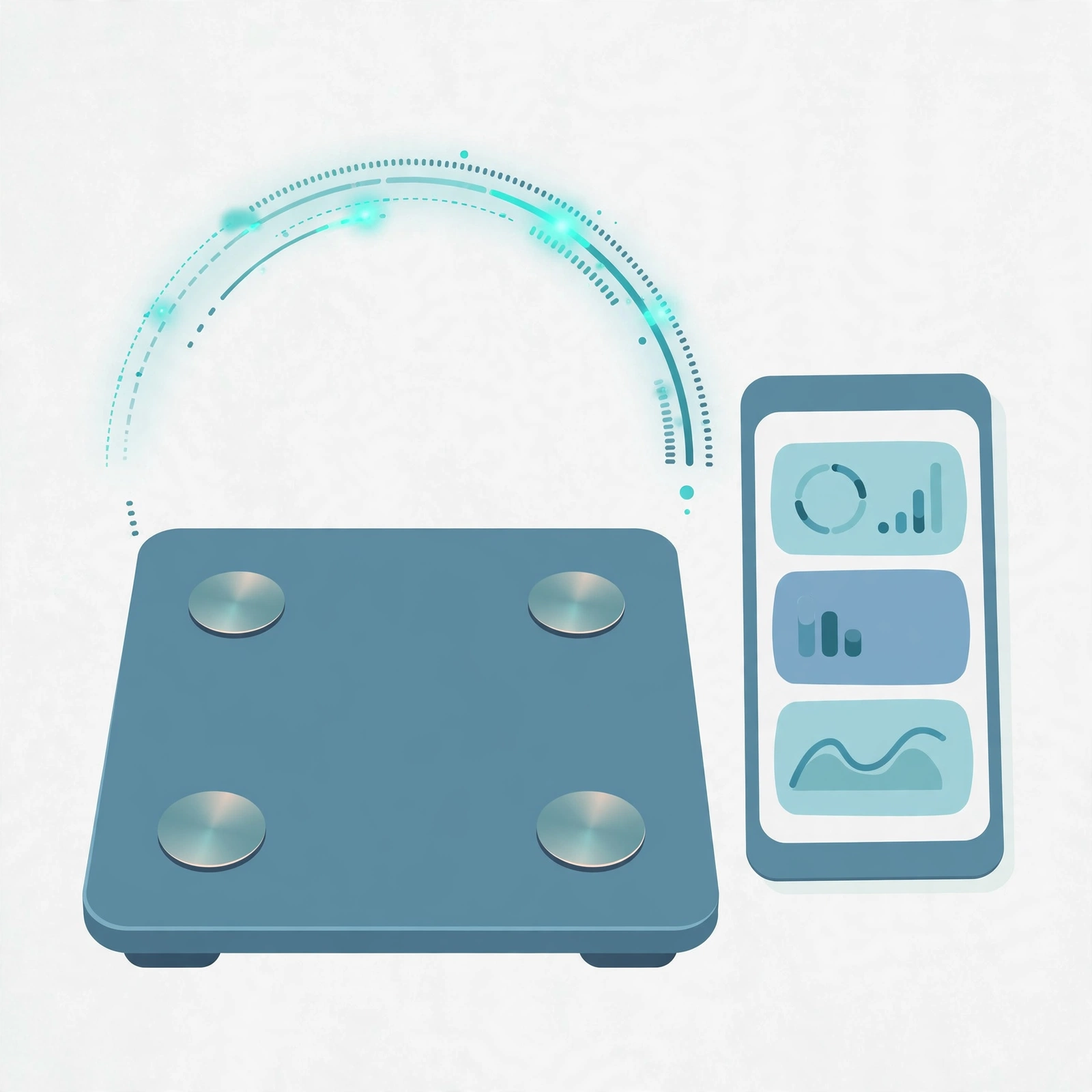
Every scale here uses bioelectrical impedance analysis (BIA): a tiny electrical signal through your feet. Muscle conducts it well, fat resists it. Here's what that means in practice:
Accuracy is ±3–5% vs a DEXA scan. That's the honest range for consumer scales. A reading of 22% might really be 19% or 25%. This sounds bad until you realise the trend is what matters, and trends these scales track well.
Hydration swings your reading more than fat loss does. Weigh dehydrated in the morning vs hydrated in the evening and your "body fat" can shift 2–3% with zero actual change. Same time, same conditions, every day. That's the whole technique.
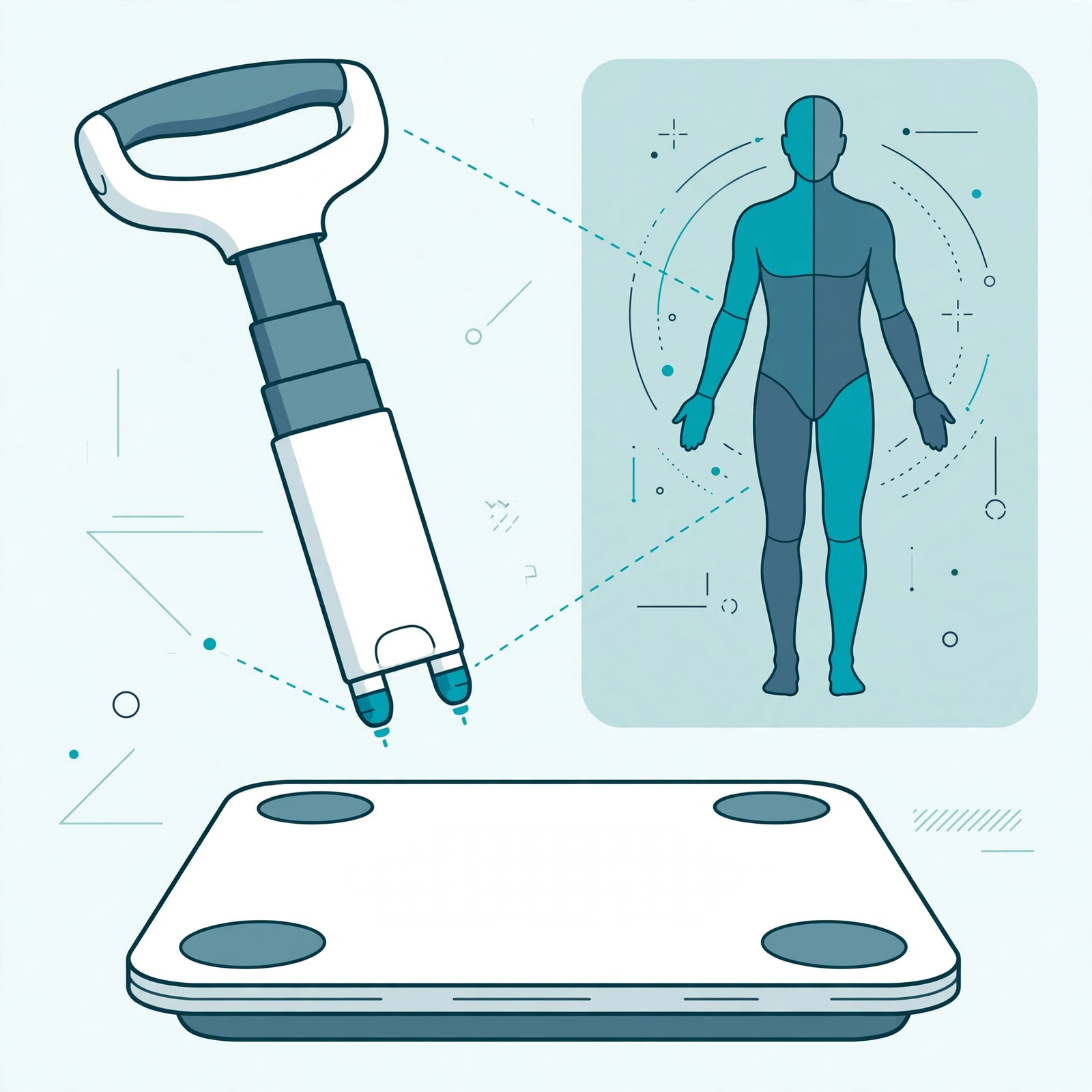
8 electrodes beat 4 for serious tracking. Standard scales only send current through your feet (lower body). Handle-based 8-electrode models (Body Scan, MorphoScan Nova) measure upper body too, giving segmental data: fat and muscle per limb. Worth it for athletes; overkill for most.
Athlete mode isn't marketing. Muscular bodies conduct electricity differently. If you train hard 3+ times a week and don't enable athlete mode, the scale will overestimate your body fat, sometimes dramatically.
Foot contact quality matters. Dry, calloused feet give worse readings. Slightly damp feet (or just well-hydrated) conduct better. This is the most common cause of "my scale is inconsistent" complaints.
The Elis 1 is the scale that made body composition mainstream: millions sold, and for good reason. Thirteen body metrics through the free Renpho Health app, Bluetooth syncing with Apple Health, Samsung Health and Fitbit, and four-electrode BIA that's as consistent as anything at this price. The scale itself shows your weight; everything else lives in the app, which is genuinely well-designed rather than the usual afterthought.
Our take: If you just want reliable body fat tracking without overthinking it, stop here. The accuracy is honest mid-range BIA (±3–5% vs clinical), but the consistency and the app's trend charts are what actually get you results. At this price it's the default recommendation for a reason.
Pros
13 body metrics, free app with no paywall
Syncs with Apple Health, Samsung Health, Fitbit
Huge user base: app updates keep coming
Unlimited users with auto-recognition
Cons
Composition data only in the app, not on the scale
Withings is the Apple of smart scales: French design, medical-device pedigree, and the only mainstream brand offering multi-frequency BIA at this price. Multiple frequencies penetrate tissue differently, which in theory separates fat from water more accurately than single-frequency scales. The killer feature is Wi-Fi: step on, step off, and your data is already in the app. No phone, no Bluetooth pairing dance, no friction.
Our take: This is the scale for people who've tried a budget smart scale and stopped using it because syncing was annoying. Wi-Fi auto-sync plus Withings' genuinely excellent app is the difference between tracking for a month and tracking for a year. The multi-frequency BIA is a real technical edge, though the practical accuracy gain over single-frequency is modest.
Pros
Multi-frequency BIA: technically superior sensing
Wi-Fi auto-sync, phone not required
Up to 8 auto-recognised users
Polished Withings app, Apple/Google Health sync
Cons
Costs 3–4x a budget scale
Some advanced insights need Withings+ subscription
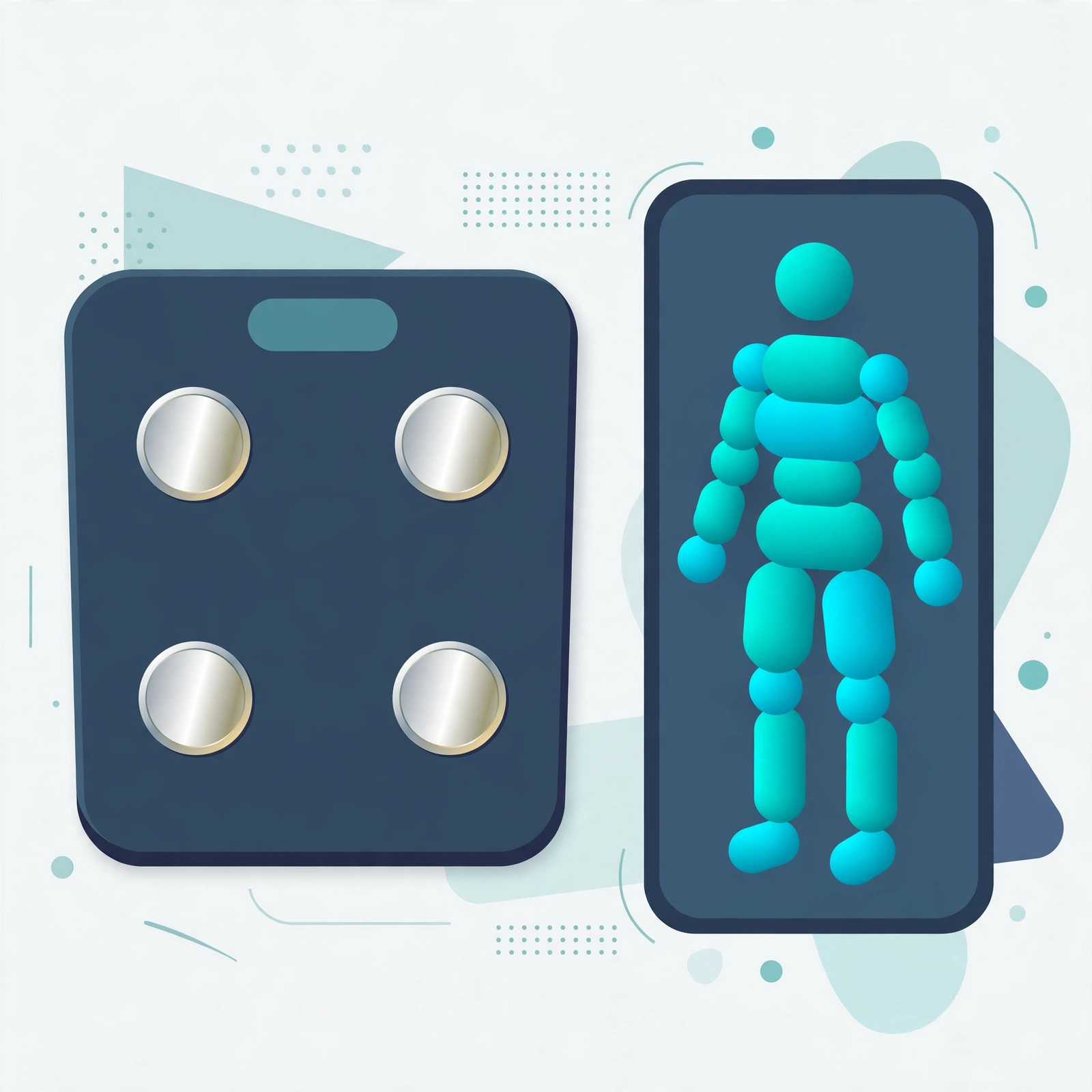
The P3's party trick is a 3D body model in the eufy Life app that visually morphs as your composition changes (cheesy, but weirdly motivating). Sixteen measurements, Wi-Fi plus Bluetooth, heart-rate tracking, and an ITO-coated platform that looks premium. For UK readers, one rare win: it supports stone (st) units, which most smart scales skip entirely.
Our take: If you respond to visual progress (seeing your 3D avatar slim down over weeks), this is the most motivating scale here. The BIA itself is standard four-electrode, so the accuracy story is the same honest ±3–5%. Buy it for the experience and the stone support, not for lab-grade numbers.
The Body Scan is what happens when a medical-device company builds a bathroom scale without a budget constraint. The extendable handle adds segmental body composition: fat and muscle mapped per arm, leg and torso, not just "lower body" like foot-only scales. It also does ECG, nerve-health assessment and vascular age estimation. This is the closest a home scale gets to a clinic visit.
Our take: Genuinely impressive technology, and the segmental data is the real deal for athletes or anyone doing serious recomposition. But be honest with yourself: most people will never look at per-limb fat percentages twice. Buy it if you're a data nerd or an athlete; everyone else gets 90% of the value from the Body Smart at a fraction of the price.
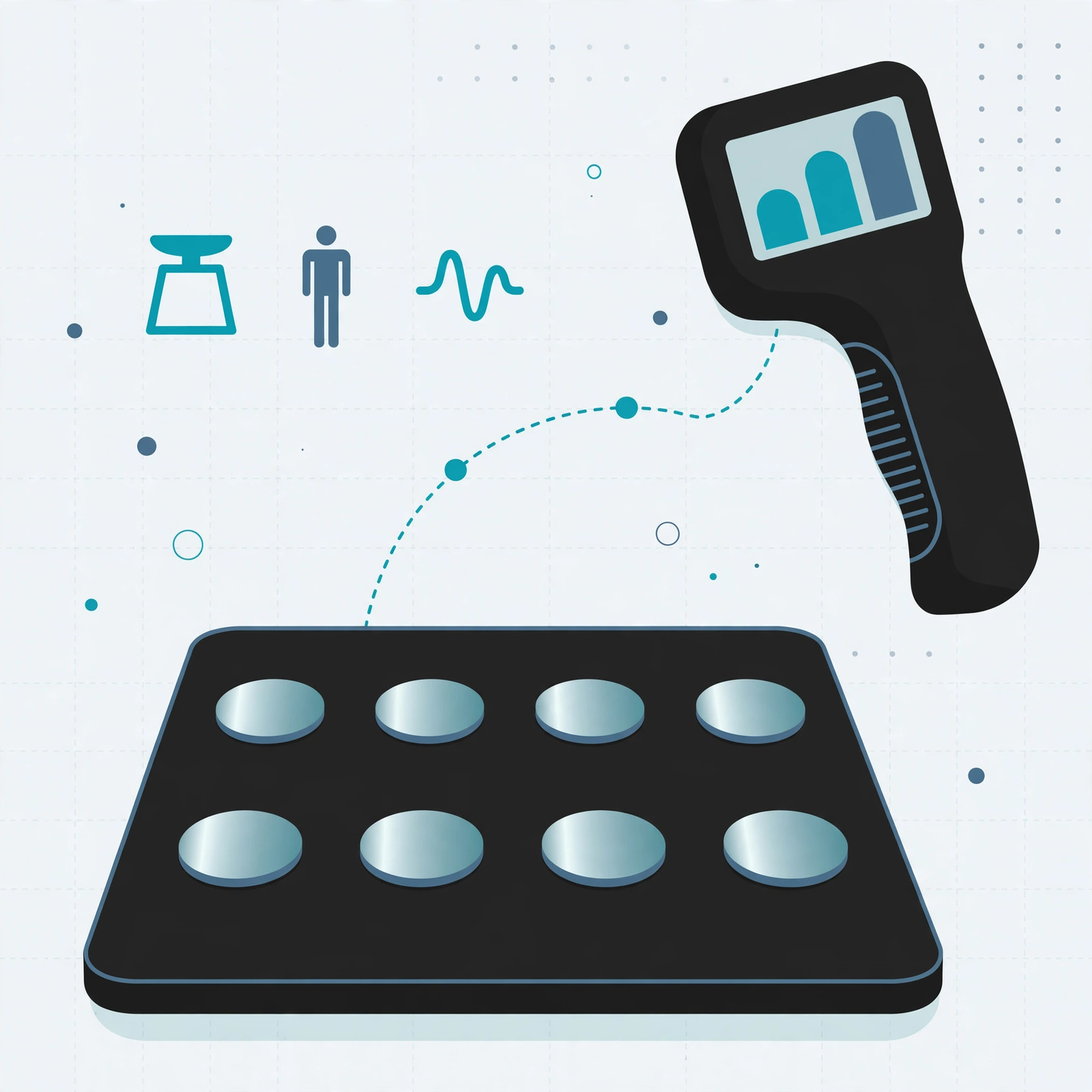
RENPHO's answer to the Withings Body Scan at a much lower price: eight electrodes and dual-frequency segmental BIA, with a handle that has its own colour TFT display showing your metrics as you stand there. Over 50 reported metrics, USB-C charging, and per-limb body composition data that foot-only scales simply can't produce.
Our take: The most body-composition data per dollar of anything here, by a mile. The caveat: treat the manufacturer's DEXA-correlation marketing claims with scepticism; independent validation of that specific claim isn't available. What is real is the segmental measurement and the excellent display. If you're an athlete or lifter who wants per-limb data without Withings money, this is your scale.
Pros
8-electrode dual-frequency segmental BIA
50+ metrics, colour handle display
USB-C rechargeable
Far cheaper than Body Scan
Cons
Manufacturer accuracy claims need independent verification
Wyze's whole brand is "flagship features, budget price," and the Scale X delivers: ITO-coated glass, athlete mode, heart-rate measurement, and baby/pet/luggage modes: features you usually pay double for. Thirteen body metrics through the Wyze app, 400 lb capacity, runs on four AAA batteries.
Our take: The honest budget alternative to the Elis 1. You get athlete mode and heart rate at a price where competitors give you neither. The Wyze app isn't quite as refined as Renpho's for health tracking specifically, but if you're already in the Wyze ecosystem (cameras, etc.), this is a no-brainer.
The Etekcity is the "good enough" champion: thirteen biometrics through the VeSync app, 0.05 lb weight increments, Alexa compatibility, and unlimited users. It regularly sells for less than a takeaway dinner, yet the BIA consistency is perfectly respectable for trend tracking. Tens of thousands of ratings back that up.
Our take: If the Elis 1 is the default pick, the Etekcity is the "I'm not sure I'll stick with this" pick, and there's no shame in that. Spend the minimum, find out whether body composition tracking motivates you, upgrade later if it does. The VeSync app handles the basics fine.
How to Get Accurate Body Fat Readings (The Protocol)
A body fat scale is only as good as your routine. Follow this protocol and your trend line will be genuinely useful; skip it and you'll be chasing noise.
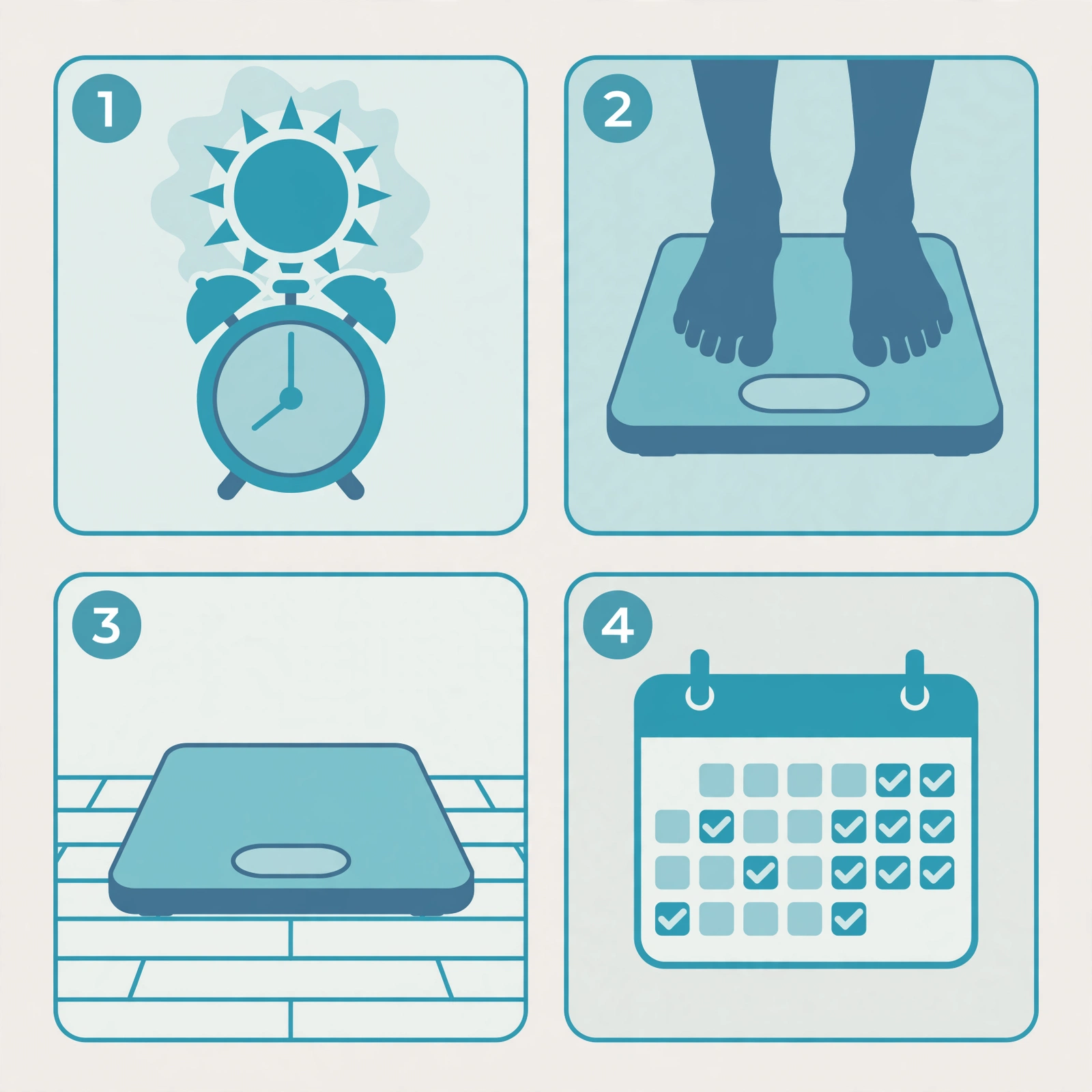
Weigh first thing in the morning: after the bathroom, before food, coffee or exercise. This is your most consistent state.
Bare feet, slightly damp is fine. Dry calloused feet conduct poorly; a quick wipe with a damp cloth improves contact.
Same spot, hard floor. Carpet compresses and shifts readings. Tile or wood, same tile, every day.
Don't weigh after workouts, big meals, alcohol or saunas. All of these swing hydration, and therefore your "body fat", by percentage points.
Enable athlete mode if you qualify. Training hard 3+ times a week with visible muscle? Turn it on. Weekend jogger? Leave it off.
Read the weekly average, not the daily number. Day-to-day swings of 1–2% body fat are normal noise. The 7-day average is the signal.
Smart Scale vs DEXA Scan: When Each Makes Sense
Smart scale (BIA)
Accuracy: ±3–5% vs clinical
Cost: one-time, often under $50
Frequency: daily, at home
Best for: tracking trends over time
DEXA scan
Accuracy: gold standard, ~±1–2%
Cost: per session at a clinic
Frequency: every few months at most
Best for: a precise baseline and periodic check-ins
The smart move: get a DEXA scan once for your true baseline, then use a body fat scale daily to track the trend between scans. They complement each other. Neither replaces the other.
How We Chose These 7
We didn't test these scales hands-on, and we won't pretend we did. Instead we compared current market options on: BIA technology (electrode count, frequency), app quality and ecosystem, connectivity, metric breadth, multi-user support, and long-term reliability signals from the user base. We excluded scales that only measure weight and BMI (no BIA), models with unavailable or dead Amazon listings, and anything where the manufacturer's accuracy claims couldn't be sanity-checked.
Every Amazon link was verified live at publication. Prices and availability change, so the "Check Price" button shows you the current state.
Frequently Asked Questions
Are smart scales accurate for body fat?
Within roughly ±3–5% of clinical measurements like DEXA. They're reliable for tracking trends over weeks and months, but a single reading isn't a medical-grade result. Consistent conditions (same time, hydrated) matter more than the brand you buy.
How do body fat scales work?
They use bioelectrical impedance analysis (BIA): a tiny, harmless electrical signal passes through your body via electrodes under your feet. Muscle conducts it well, fat resists it, so the scale estimates your composition from the measured resistance plus your height, age and sex.
What is athlete mode on a smart scale?
It adjusts the BIA algorithm for high-muscle, low-fat bodies, which conduct electricity differently. If you train intensely several times a week, enable it, otherwise the scale will overestimate your body fat. Casual exercisers should leave it off.
Should I get a DEXA scan instead of a smart scale?
A DEXA scan is the gold standard for a one-time accurate reading, but you can't do it daily. The best approach: one DEXA for your baseline, then a smart scale for the daily trend between scans.
Do body fat scales show weight in stone?
Most don't, but the eufy Smart Scale P3 supports stone units, which is rare and handy for UK users. Check our stone to kg converter if your scale only shows kg and you think in stone.
Why does my body fat reading change so much day to day?
Hydration. Water conducts electricity, so anything that changes your water balance (meals, workouts, alcohol, sleep, even the weather) shifts the reading. Weigh at the same time each morning and watch the weekly average, not the daily number.
Our Top Pick: RENPHO Elis 1
For most people, the Elis 1 is the right answer: honest BIA tracking, a genuinely good free app, 13 metrics, and a price that removes every excuse. Start tracking your body fat this week. The trend line you build over the next three months will tell you more than any single reading ever could.
By the StoneToKG editorial team. We research the market and verify every product link. We don't do hands-on testing, and we say so. Last updated October 2026.
Privacy choices
Choose how cookies are used
We use essential storage to keep the site working. With your permission, Google may use analytics and advertising cookies to measure visits and show relevant ads. You can change your choice at any time.