There is a difference between a smart scale that tracks your weight and one that estimates body composition. Smart scales are useful at home, but their body-fat estimates have limits.
The short answer is simple: smart scales are usually accurate enough for weight, useful for spotting body-fat trends, and not reliable enough to treat as medical-grade measurements.
How Smart Scales Measure Body Fat
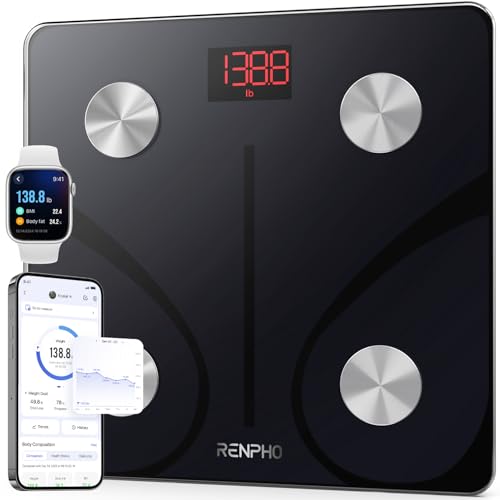
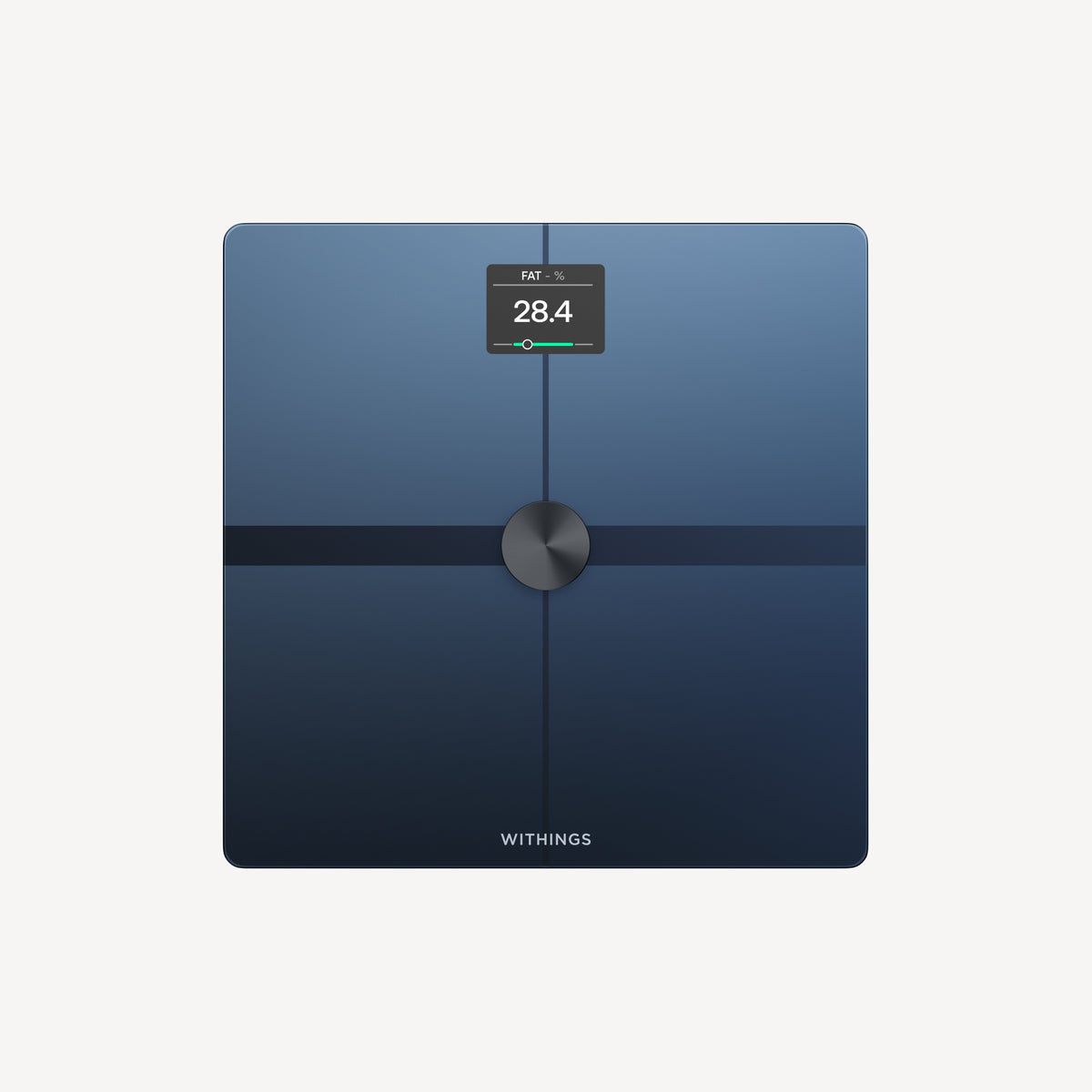
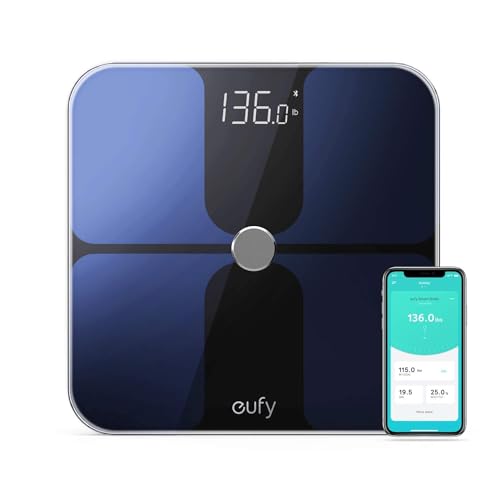
Smart scales use bioelectrical impedance analysis, or BIA. When you stand barefoot on the scale, a very small electrical current passes between the foot electrodes.
Fat tissue resists electrical current more than muscle tissue because muscle contains more water and electrolytes. The scale measures that resistance and uses an algorithm to estimate body fat.
The key word is estimates. BIA does not directly measure fat, and readings can be less consistent for very lean athletes, people with very high body fat, older adults, or people who are dehydrated.
What the Research Shows
Peer-reviewed testing comparing consumer smart scales with DEXA measurements found that weight readings were generally reliable, with median errors under one kilogram.
Body-fat readings were less precise. The scales underestimated fat mass, with errors ranging from 2.2 kg to 4.4 kg across devices.
A scale might show 28% body fat while a DEXA scan gives a higher result. The device can still be useful if the gap stays reasonably consistent and you follow your own trend over time.
What Smart Scales Are Good At
Weight tracking. This is where smart scales genuinely excel. They record readings automatically and build a trend over time.
Body-fat trend tracking. A change from 28% today to 27.1% in six weeks may be useful directionally, even though neither absolute number is perfectly precise.
BMI calculation. BMI is calculated from weight and height. Our BMI calculator uses the same formula and explains its limits.
Motivation and habit formation. A smart scale makes regular weighing easier, which can help people notice longer-term changes.
What Smart Scales Are Not Good At
Single-reading body-fat measurements. Hydration, food, exercise and time of day can shift the reading by several percentage points.
Comparing different scale models. Each manufacturer uses a different BIA algorithm, so two brands may show different readings for the same person.
Diagnosing health conditions. A smart scale should not be used to diagnose obesity, metabolic syndrome or any other condition. Those require clinical assessment.
Factors That Affect BIA Accuracy
Hydration. This is one of the biggest variables. Weighing at the same time each day gives more consistent results.
Exercise. Intense training changes hydration status and blood flow, which can temporarily shift the reading.
Age. BIA algorithms may be less accurate for older adults because the relationship between impedance and body composition changes with age.
Electrode placement. Foot-to-foot scales measure through the lower body, while some clinical devices use hand-to-foot systems.
How to Get the Most Consistent Readings
The goal is consistency, not absolute precision. Weigh yourself first thing in the morning after using the bathroom and before eating or drinking.
Use no clothes or similar light clothing each time. Leave time after significant exercise, and make sure your feet are clean and dry.
This routine will give you more meaningful trend data, even when individual readings are approximate.
Putting Your Weight in Context
BMI is a screening measure based on height and weight, not a direct body-fat measurement or diagnosis. Body-fat reference ranges also vary by age and sex, so broad ranges should not be treated as personal medical targets.
Our ideal weight guide and BMI calculator give height-based context in stone and kilograms.
Interpreting Smart Scale Results
Treat a smart scale’s body-fat percentage as an estimate, not a clinical measurement. The most useful signal is a consistent trend collected under similar conditions.
If a sustained change concerns you, discuss it with your GP or another qualified healthcare professional rather than relying on the device alone.
Common questions
Smart Scale Accuracy FAQ
Are smart scales accurate for body-fat percentage?
Smart scales give directional estimates rather than precise measurements. They can underestimate fat mass compared with DEXA, so use them for trends rather than single readings.
Are smart scales accurate for weight?
They are generally reliable for weight measurement, with consumer testing often finding errors under one kilogram.
Why does my body-fat reading change every day?
BIA readings respond to hydration, time of day, recent exercise and food intake. Daily fluctuations do not necessarily reflect real changes in body fat.
Is Renpho accurate for body fat?
Renpho gives directional estimates that can help track trends. Its absolute readings should not be treated as clinically precise.
Is Withings more accurate than Renpho?
Withings may provide more stable readings and stronger app context, but both brands use estimates and neither should be treated as a clinical measurement.
How often should I weigh myself?
Daily weighing at the same time gives detailed trend data. If daily weigh-ins cause anxiety, weekly weighing may be more appropriate.
Does a smart scale measure visceral fat accurately?
Visceral-fat readings from consumer scales are estimates based on BIA and body-composition algorithms. Treat them as directional indicators.